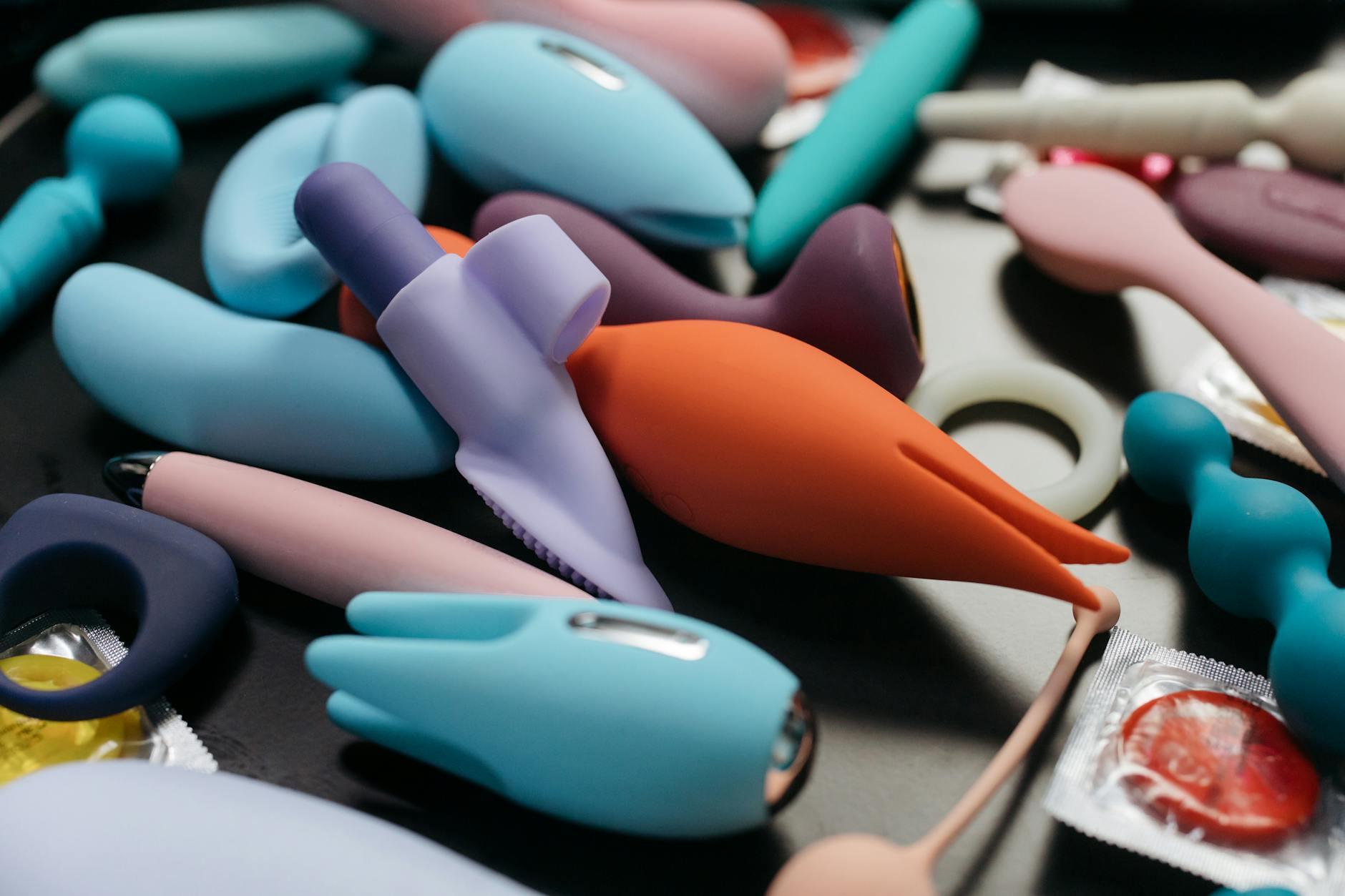
Here's the thing about sensitive tissue and vibrators
If you've ever used a traditional wand vibrator on sensitive skin, you know the feeling. Too intense, too direct, almost abrasive. Your clitoris has somewhere between 8,000 and 16,000 nerve endings packed into a tiny area, which is why direct vibration can feel overwhelming instead of pleasurable. That doesn't mean your tissue is broken. It means the wrong tool is doing the job.
This is where lemon clitoral vibrators change everything. The engineering is fundamentally different from a wand toy, and the difference matters.
How wand vibrators create friction
Traditional vibrators, including wands, work by creating rapid oscillations. Your clitoris presses directly against a vibrating surface, and the friction builds stimulation through repetitive contact. This works beautifully for some people. For anyone with sensitive or reactive tissue, it feels like someone's tapping the same spot with a jackhammer for ten minutes straight.
The problem escalates if your tissue is already tender from:
- Hormonal fluctuations that thin the clitoral hood
- Healing after childbirth or medical procedures
- Sensitivity from anxiety or trauma
- Natural anatomical variation (some people simply have more reactive nerve endings)
- Vulvodynia or other pain conditions
When you add pressure on top of vibration, the sensation compounds. Many people with sensitive clitorises end up numbing out or experiencing sharp discomfort rather than pleasure.
What suction technology does differently
Lemon vibrators use pneumatic suction instead of vibration. The toy creates a gentle pressure around your clitoris that draws the tissue inward and stimulates the internal nerve clusters. There's no friction against the surface. Instead, you're getting stimulation from underneath, which activates a different and often much less painful network of sensory receptors.
Think of it this way: a wand vibrator is like tapping. A lemon suction toy is like a gentle pull. Your clitoris has two distinct zones of sensitivity. The external glans (the visible part) is dense with surface nerve endings that vibration can overstimulate. The internal body and roots extend deeper into your vulva, and those deeper nerves respond beautifully to suction without the friction burn.
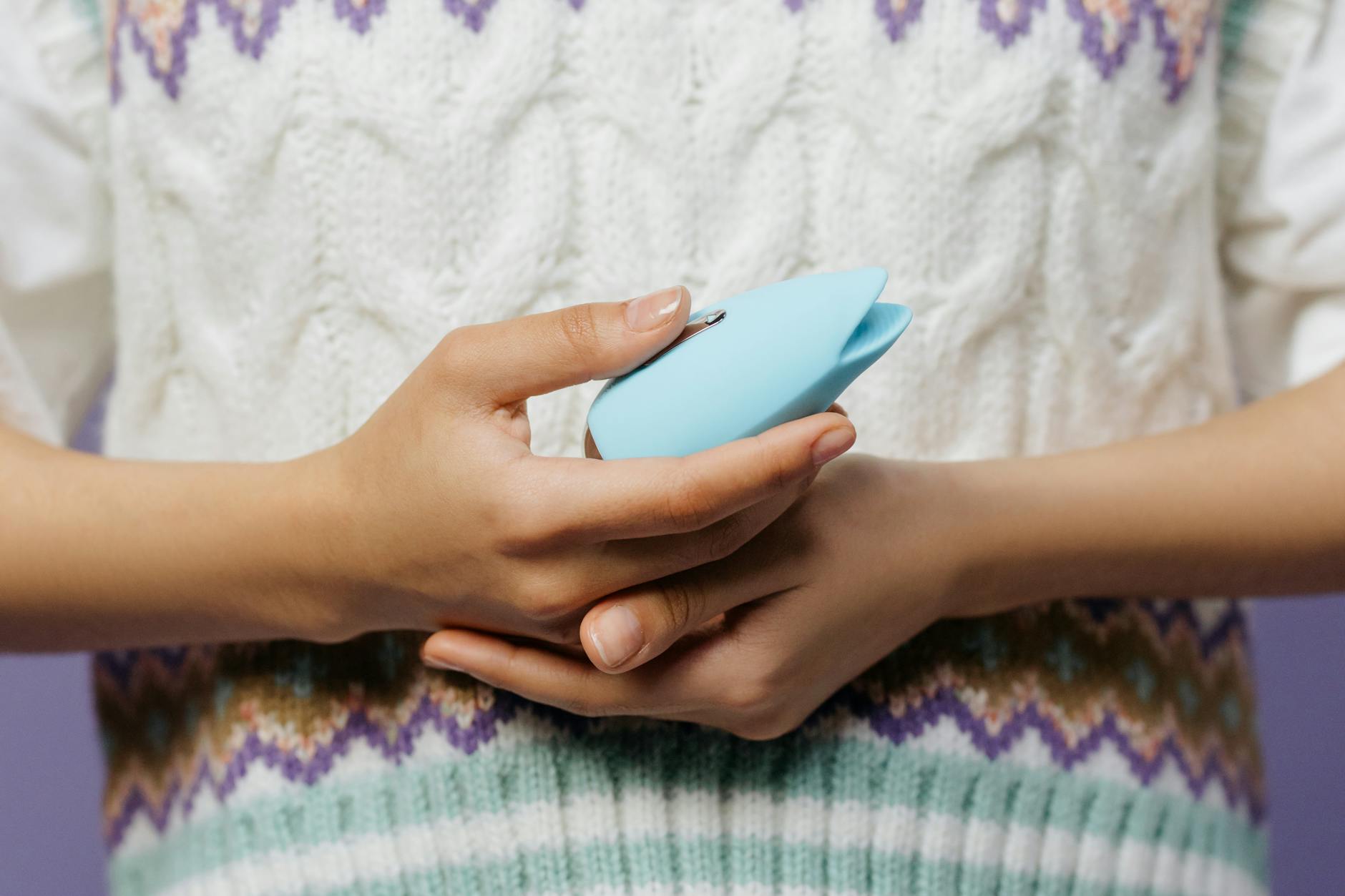
Photo by cottonbro studio on Pexels
The sensitivity sweet spot
Lemon clitoral vibrators shine because they let you separate intensity from discomfort. You can start at the gentlest suction setting and actually feel something happening without pain. That's not always true with wands. Many people skip straight from "too gentle to feel" to "too intense to handle," with no comfortable middle ground.
With a lemon vibrator, you've got eight intensity levels. Most people with sensitive tissue find their sweet spot somewhere in the middle, which means you're not fighting the toy to find pleasure. You're exploring it.
Anatomy matters more than you think
Here's something that's rarely discussed: your clitoral anatomy changes throughout your cycle, after pregnancy, and with age. When estrogen is lower (which happens in the luteal phase of your cycle, during breastfeeding, or after menopause), your clitoral tissue becomes thinner and more reactive. This isn't a flaw. It's physiology.
During these phases, a gentle lemon suction toy becomes not just more comfortable but often the only toy that feels good at all. Wands designed for average sensitivity become genuinely painful. The suction approach bypasses that issue entirely because it's working with your tissue, not against it.
Why pressure matters less than location
One of the biggest myths about sensitive tissue is that you need something gentler all around. That's not quite right. What you need is the right kind of stimulation in the right place. Many people with sensitive clitorises actually enjoy quite intense sensation once they're getting it from a suction toy instead of direct vibration.
The nerve pathways are different. Your clitoris has branches that extend internally, and those internal structures are less likely to become numb or irritated under sustained pressure. A lemon vibrator basically gives those deeper nerve clusters their own dedicated stimulation pathway that doesn't interfere with the surface of your glans.
The recovery time difference
Here's something you probably haven't thought about: tissue irritation and recovery. If you use a wand vibrator on sensitive tissue, especially for an extended session, you might experience soreness afterward. Your skin has essentially been vibrated against repeatedly, which can create inflammation or rawness even if you didn't feel pain during the experience.
With suction technology, there's no friction, so there's no post-session irritation. You can have longer sessions without aftermath. That's not a small thing if you're someone who wants to explore pleasure without bodily consequences.
How intensity settings work with sensitive tissue
Lemon vibrators offer graduated intensity, which is crucial for sensitive clitorises. You're not locked into "one speed fits all." You can start with suction level 1 or 2 and genuinely feel something. Then you can gradually increase as your body warms up and your tissue becomes less reactive.
This is completely different from a traditional wand, where jumping from setting 1 to setting 2 often feels like night and day. The suction curve is gentler, which gives you way more control.
Combining suction with lubrication
When tissue is sensitive, lubrication matters differently. With a wand, lube just makes the friction smoother. With a lemon clitoral vibrator, lube creates an even better seal for the suction, which actually improves sensation without adding discomfort. You get better pleasure and more comfort at the same time, which is rare.
If you have any dryness (whether from hormones, medications, or just natural variation), a lemon toy plus a good water-based lube is almost always the winning combination for sensitive tissue.
The mental piece
There's also something psychological happening here. If you've spent years avoiding pleasure because traditional toys hurt, using something that works well is deeply validating. You're not broken. You weren't destined to have numb or painful sex. You just needed different engineering.
Many of my clients tell me that switching from a wand to a lemon clitoral vibrator is the first time they've experienced pleasure without bracing for pain. That shift changes your entire relationship with your body.
People also ask
Can I use a lemon vibrator if I have vulvodynia or other pain conditions?
If you have diagnosed vulvodynia or another pain condition, start slow and check in with your gynecologist first. Most people with vulvodynia find suction toys more tolerable than vibrators because there's no friction, but sensitivity varies widely. Begin at the lowest setting, use plenty of water-based lube, and stop immediately if you feel sharp pain. Dull pressure is fine. Shooting pain is not. Many people with pain conditions eventually find that suction works where other stimulation doesn't, but your body gets the final say.
How is a lemon clitoral vibrator different from a vibrating suction toy?
True lemon vibrators use pneumatic suction as the primary mechanism, with subtle vibration as an optional secondary feature. Some other brands call themselves "suction toys" but are really just vibrators with a slightly wider head. Real suction creates an air-pulse sensation that's biomechanically different from vibration. If the product description emphasizes vibration first and suction second, it's probably a vibrator wearing suction branding.
Will my sensitive tissue adapt so that I need higher intensity over time?
Not typically, because suction works differently than vibration. Vibrators can cause numbing with repeated use on sensitive tissue, which creates a tolerance curve. Suction stimulates different nerve pathways that don't numb the same way. Most people find their ideal intensity and stay there. That said, your sensitivity does fluctuate with your cycle and hormones, so you might want different settings at different times.
Is a lemon vibrator safe for post-childbirth healing or after medical procedures?
Always wait until you're fully healed and cleared by your OB before using any toy. That's true for any stimulation. Once you're cleared, a lemon clitoral vibrator is often gentler than a traditional toy because there's no friction against healing tissue. Start with the lowest setting and let your body guide you. If your healthcare provider cleared penetration, external suction stimulation is generally safer than wand vibration, but confirm with your doctor.
What if suction doesn't feel like anything at first?
That's common, especially if you're used to strong vibration. Your nerve endings need time to recognize the sensation. Try a few sessions at progressively higher intensity levels, making sure you're using lube so the seal is good. It often clicks into place after two or three uses. If you've tried all eight levels and feel nothing, suction might not be your thing, and that's okay. But most people find the sensation within the first few sessions.
Can I use my lemon vibrator with a partner?
Absolutely. Many people find that suction toys are less intrusive in partnered sex than wands because there's no bulky head taking up space. You can use it externally during penetration, or as foreplay while your partner is involved. The gentler nature of suction also makes it easier to communicate comfort levels. Some couples even find that a partner can hold and control a lemon toy during partnered sex, which adds an intimacy element that a personal toy alone doesn't offer.
The bottom line
Your clitoris deserves attention that feels good, not just intense. If wand vibrators have left you numb, sore, or braced for discomfort, the problem isn't your body. It's the tool. Lemon clitoral vibrators approach stimulation from a completely different angle, literally and figuratively. For sensitive tissue, that difference is everything.
If you're curious about whether a lemon vibrator might work for you, start with the understanding that this is about finding what fits your anatomy and your nervous system. Reach out if you want to talk through whether it's the right fit.