When desire doesn't line up
Let's be real. One person wants sex three times a week. The other wants it twice a month. Nobody's broken. This isn't a sign you're incompatible or that the relationship is doomed. It's just one of the most common friction points couples face, and almost nobody talks about it honestly.
The problem isn't the mismatch itself. It's what happens when one partner tries to be what the other needs instead of building a bridge that works for both of you.
The emotional cost of ignoring desire difference
When you're the partner with lower libido, the pressure is invisible but constant. You feel guilty. You feel like you're letting someone down. Over time, you might start performing sex out of obligation instead of desire. And here's the thing nobody tells you: obligatory sex kills your own capacity for pleasure. Your body learns that sex equals pressure, not joy.
Meanwhile, your partner feels rejected. They might interpret low desire as "you're not attracted to me" even though that's rarely what's actually happening. The gap widens. Resentment quietly builds on both sides.
But there's a middle path. And it starts with you reclaiming your own pleasure independent of your partner's timeline.
Why lemon vibrators change the dynamic
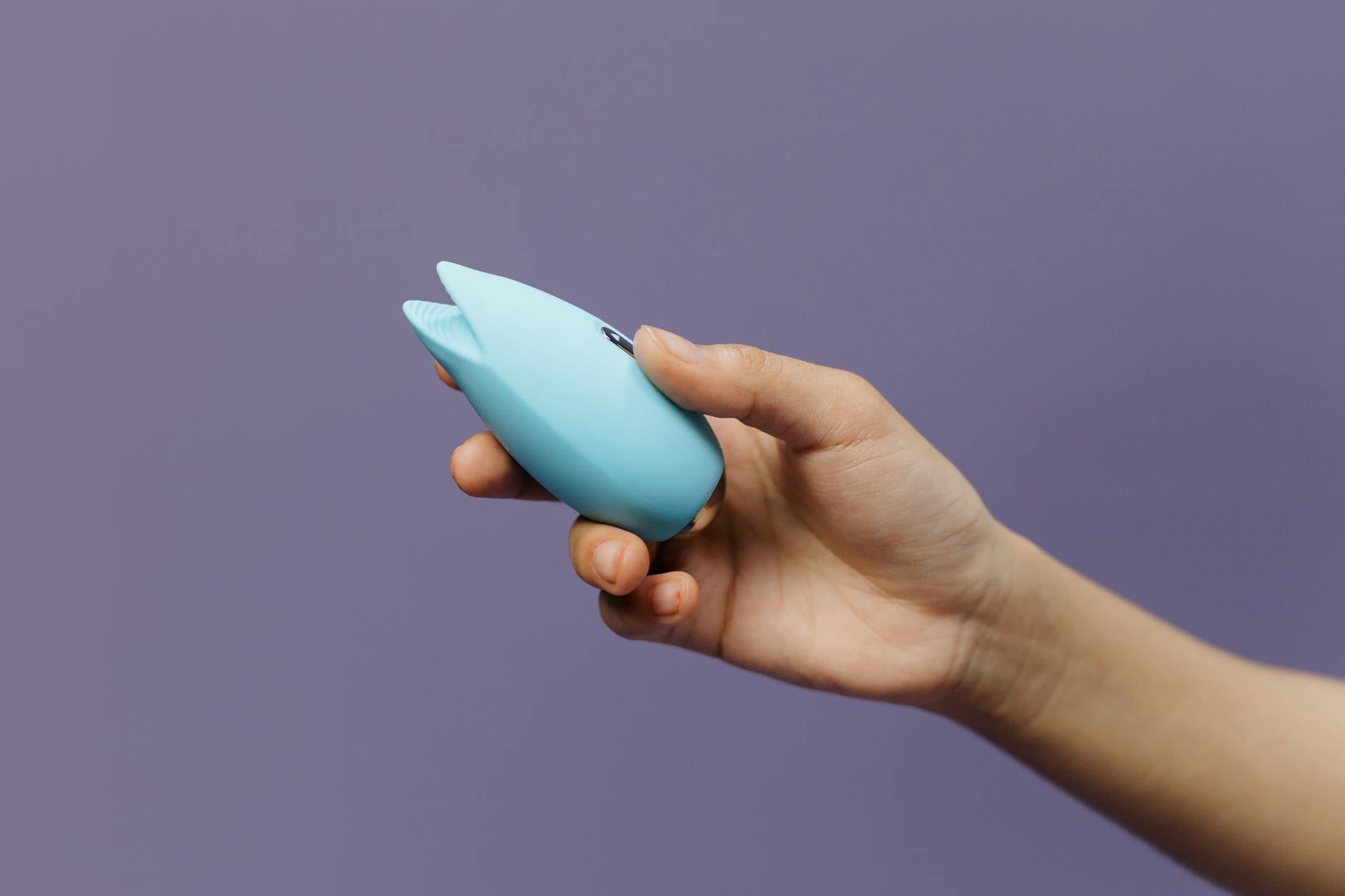
A lemon clitoral vibrator does something important: it separates your pleasure from the performance of sex with your partner. When you're using a tool designed to work with your body's actual responsiveness, you're not calibrating to someone else's rhythm. You're discovering what turns you on without an audience, without pressure, without the need to "keep up."
This matters because lower libido often isn't actually lower capacity for pleasure. It's lower desire for the specific context you're in. Solo exploration with a device like The Lemon Suction Toy shifts that context entirely. You're not trying to match someone else's pace. You're learning what genuinely lights you up.
For many people, that shift alone rebuilds confidence and desire.
Starting with yourself, not your partner
Before you introduce anything into the relationship conversation, explore alone first. Use your lemon vibrator three or four times on your own. Notice what patterns emerge. What time of day do you feel most interested? What kinds of stimulation actually build arousal for you, versus what you thought you "should" want?
This solo exploration phase isn't selfish. It's essential data gathering. You're learning your own pleasure map so you can communicate it clearly later. Many people skip this step and jump straight to using toys with their partner. That often backfires because you're still learning about yourself while also managing someone else's feelings.
Take two or three weeks solo. Let the lemon clitoral vibrator become your baseline. Notice how your body responds to different patterns, different intensities, different contexts.
When you're ready to reconnect with your partner
Once you've done that groundwork, the conversation becomes easier. You're not saying "I have a problem." You're saying "I learned something about what works for me, and I want to share that with you."
You might use your lemon vibrator during partnered sex, either solo while they're present, or together as foreplay. Or you might keep solo pleasure entirely separate. Both are valid. The key is that it's your choice, not something you're doing to perform desire you don't feel.
Some couples find that introducing a lemon sexual toy creates space for the lower-desire partner to have control over the experience. Instead of feeling like you're rushing to catch up, you're setting the pace. That's often enough to shift the entire dynamic.
The conversation that actually works
Instead of "I have low libido" or "You want sex too much," try this frame:
"I realized I'm more responsive to my own pleasure when I take time to explore what genuinely turns me on, separate from partnered sex. I want to do that because it matters to me. And I also want to stay connected with you. Can we figure out what that looks like together?"
Notice what's happening in that sentence. You're claiming your own pleasure as valid and separate. You're not centering your partner's disappointment. You're acknowledging both things: your needs matter, and the relationship matters.
That's the conversation that actually moves things.
Practical integration into your routine
You don't have to use your lemon vibrator every time you have sex with your partner. In fact, most people don't. What works is establishing a regular solo practice for yourself. Maybe twice a week, maybe once. Whatever frequency makes pleasure feel like something you're choosing, not something you're obligated to.
When you come to partnered sex from a place of having satisfied your own pleasure regularly, the dynamic shifts. You're not bringing guilt or obligation. You're bringing presence. And your partner feels that difference.
If you do want to use lemon vibrators together, approach it as addition, not replacement. Let it extend the experience instead of becoming the main event. Some partners find that watching a lower-desire partner actually enjoy pleasure, at their own pace, is genuinely hot. It's the first time they see desire in action instead of feeling resentment about its absence.
The part nobody talks about
Sometimes, when a lower-desire partner starts exploring with a lemon clitoral vibrator, their overall desire increases. Not because they're trying harder. Because they're reconnecting with what pleasure actually feels like outside the context of obligation.
Other times, the desire gap stays exactly the same. But the resentment dissolves because both partners stop treating it as a problem to solve and start treating it as something to work around.
Both outcomes are good. Because the goal isn't to make the lower-desire partner want sex as often as the higher-desire partner. The goal is to stop the pressure cooker from building steam in the first place.
Common fears, addressed
Many people worry that using a vibrator solo will make their partner feel replaced or unwanted. Talk about it first. Say clearly: "This is for me, about my body, not about you." Most partners are relieved when the lower-desire person takes ownership of their pleasure instead of treating it as the higher-desire partner's job to figure out.
Some people worry they'll become dependent on the vibrator for orgasm. That's not how it works. A lemon suction toy is a tool for learning, not a crutch. Once you know what your body responds to, that knowledge travels with you into partnered contexts too.
A few people fear that their partner will judge them for using a toy. If that's a real concern, that's a relationship dynamic worth examining separately. How Lemon Vibrators Help When You're Nervous About Your First Suction Toy walks through introducing the idea gently. But if your partner would judge you for exploring your own body, that's information worth paying attention to.
Making space for two different bodies
Here's what I've learned from decades of working with couples: the ones who thrive aren't the ones with matched desire levels. They're the ones who stop treating desire mismatch as a failure of love and start treating it as a logistical problem to solve together.
A lemon vibrator becomes the tool that makes that shift possible. It says: my pleasure is valid. Your pleasure is valid. We don't have to want the same thing at the same time. We can work with what's real instead of fighting it.
That's where the actual intimacy happens.
People also ask
How often should I use a lemon vibrator if my partner and I have different sex drives?
There's no universal answer because everyone's schedule and body are different. Most people find that solo practice two or three times weekly gives them enough reconnection with their own pleasure to shift how they show up in partnered contexts. What matters is that it's consistent and entirely your choice, not something you feel pressured into. If you're using a lemon clitoral vibrator on your schedule, the novelty and control often make the experience more satisfying than if you're using it on demand.
Will my partner feel threatened if I use a lemon suction toy alone?
Some do initially if the conversation isn't framed right. The difference is between "I need this because you're not doing it right" versus "I want to understand my own pleasure better." One feels like criticism. The other feels like self-care. When you approach it as the latter, most partners get it. Many actually find it hot. If your partner responds with genuine jealousy or control, that's a separate relationship issue worth addressing, possibly with a therapist.
Can a lemon vibrator actually increase my sex drive?
Not directly. But reconnecting with what pleasure actually feels like, separate from pressure, often does increase desire for partnered sex. When your body stops associating sex with obligation, many people find they want more of it. It's not about the vibrator creating desire. It's about removing the blocks that were suppressing it.
Should I use the lemon vibrator during sex with my partner or keep it separate?
That's entirely your call. Some people keep solo pleasure completely separate and that works beautifully. Others enjoy using a lemon vibrator during foreplay or partnered sex because it gives them control over their own arousal pace. Start with solo exploration, then decide. There's no wrong answer here.
How do I talk to my partner about using a lemon sexual toy when desire is already a sensitive topic?
Lead with what you want, not what's wrong. "I want to explore my own pleasure more consistently" lands differently than "My sex drive is too low." Make it about you discovering what turns you on, not about fixing the relationship problem. Invite curiosity instead of defensiveness. And if possible, do your solo exploration first so you're coming from a place of confidence, not confusion.
What if my partner wants to use the lemon vibrator together but I'm nervous about that?
Start solo first. Build confidence with the device on your own timeline. Then, if you want to introduce it with your partner, frame it clearly: "I like having control over my own pleasure." You can set boundaries like "I want to use it alone first" or "I want to use it but not during penetration." Your comfort matters more than their curiosity. A partner who respects that is a partner worth staying vulnerable with.
When you stop fighting the desire gap and start working with it, everything shifts. A lemon vibrator is just a tool. But it's a tool that says your pleasure counts. That matters more than you might think.