
Here's what nobody tells you about guilt and pleasure
The nervous system doesn't process "I deserve this" as a thought. It processes it as a feeling. You can tell yourself for years that pleasure is fine, healthy, important. Your body might still be braced, waiting for something bad to happen, as if joy is something you're stealing.
This isn't weakness. This is how a nervous system works when it's learned that wanting things makes you unsafe. That your needs are burdens. That caring for yourself is selfish.
The permission problem runs deeper than mindset
I work with people every week who intellectually know that self-pleasure is normal and healthy. They can cite the studies, the therapists, the medical consensus. But when they actually try to do it, something inside says no. Not a loud no. A quiet, persistent one that shows up as distraction, numbness, or that feeling of watching yourself from outside your body.
That's not a thought problem. It's a nervous system problem.
When you've spent years (or decades) in relationships where your pleasure was framed as a problem to solve for someone else, or when you grew up hearing that your body was something to control rather than enjoy, your nervous system learned that pleasure is risky. Activation around pleasure can feel like it triggers the same warning signals as actual danger.
Mind-focused approaches like affirmations or cognitive reframing don't work here because the issue isn't in your mind. It's somatic. It's literally in your body's threat-detection system.
Why suction works differently than you'd expect
Lemon clitoral vibrators and suction-based toys like The Lem work with your nervous system rather than against it. Here's why this matters for people fighting guilt.
Traditional vibration is direct stimulation. It's effective, but it requires a high degree of psychological cooperation. You have to actively decide "this is good" and stay present with the sensation. If your nervous system is in a state where pleasure feels risky, that required presence can feel exhausting or impossible.
Suction is different. It creates a rhythmic pressure that's gentler, more enveloping. The sensation is diffused rather than pointed. This matters because your nervous system can respond to gentle, rhythmic pressure without that same activation you might feel with direct mechanical stimulation.
It's not magic. It's neurology. Rhythmic input can help downregulate a hypervigilant nervous system. When you're using a lemon suction toy, your body often relaxes more easily because it's not working against what feels like a threat.
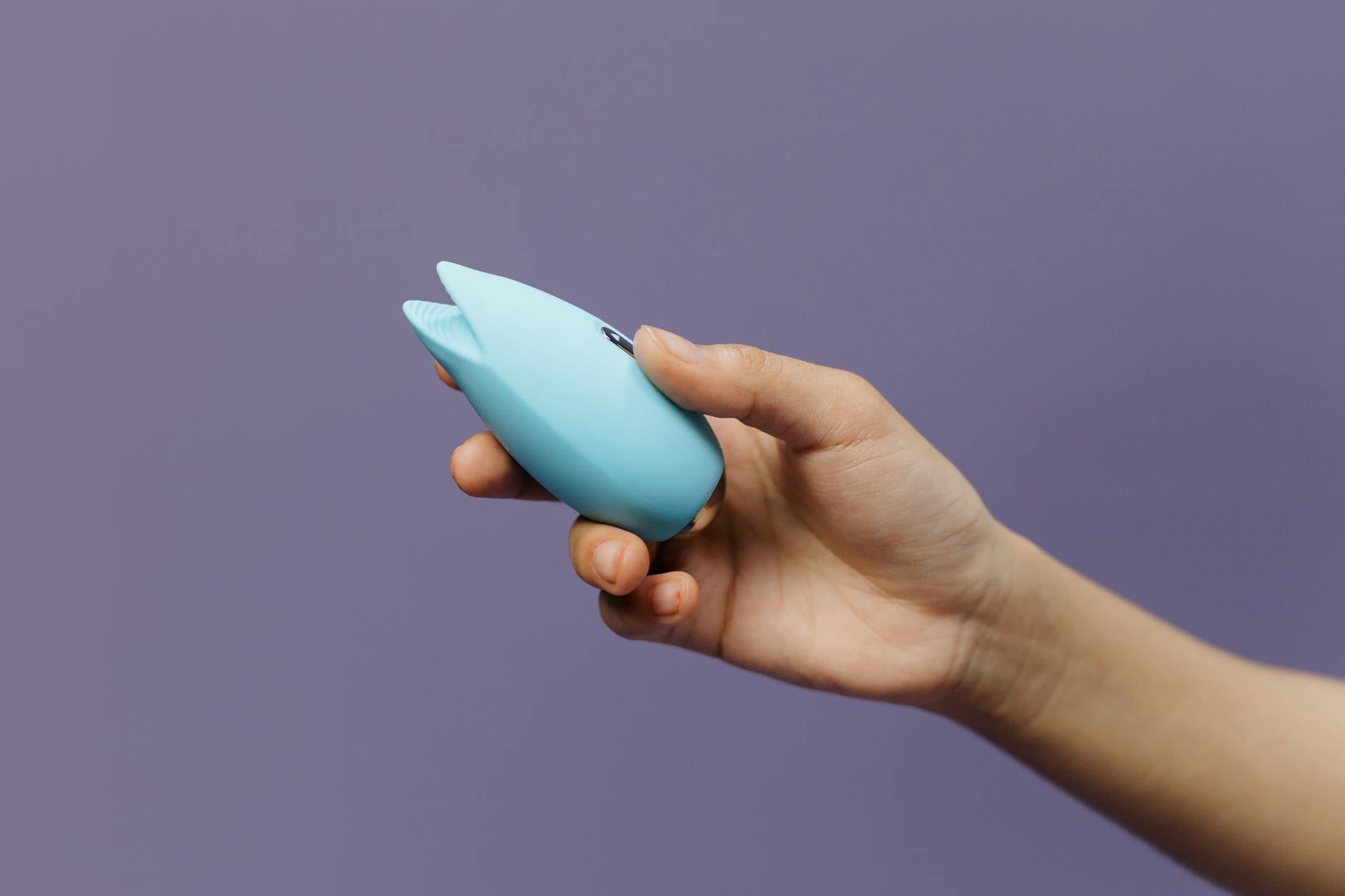
Photo by cottonbro studio on Pexels
The permission piece you can actually use
One of the most effective things I recommend is treating solo pleasure like a health appointment, not a spontaneous decision. I know that sounds clinical. It's the opposite.
When you schedule time for yourself. When you set boundaries around interruptions. When you create conditions that signal safety to your nervous system. You're not being rigid. You're being kind to the part of you that's still unsure whether you deserve this.
That preparation also matters for lemon adult toys specifically. These aren't about speed or intensity. They're about staying present and building sensation gradually. That slower approach gives your nervous system time to confirm: this is safe. This is for me. This is allowed.
Start small. Five minutes. No performance pressure, no goal of orgasm. Just sensation. The fact that you're doing something for yourself, with full permission, shifts something neurologically. Your body gets to practice the idea that pleasure is safe.
The partner conversation you might need
If you're in a relationship, guilt often gets tangled up with fear. Fear that solo pleasure means something's wrong with your partnership. Fear that wanting time alone with a lemon vibrator signals dissatisfaction.
Honest couples talk about this. Not as therapy, but as logistics. "I want to spend time on my own pleasure. This isn't about you. I need to rebuild trust with my own body." That's a complete sentence. That's enough.
The right partner will understand that your pleasure isn't a referendum on theirs. A <a href="/blog/how-lemon-vibrators-work-when-your-partner-prefers-penetration-but-you-dont">partner who respects your needs will actually feel relieved</a>. Solo exploration takes pressure off them and off you.
Shame isn't a character flaw
I want to be clear about something. If you feel conflicted about pleasure, that's not a sign you're broken or prudish or uptight. That's a sign your nervous system learned that pleasure could be risky. That's not your fault.
But you can change it. Not by forcing yourself into something uncomfortable. By creating conditions where your body slowly learns that pleasure is safe. That you're allowed to want things. That caring for yourself is not selfish.
A lemon clitoral vibrator is just a tool. But it's a tool designed for exactly this. For gentle, rhythmic stimulation that your nervous system might accept more easily than other options. For something that feels less like demand and more like invitation.
Start where it's easy
Don't begin by expecting transcendent pleasure. Expect curiosity. Expect the possibility of feeling nothing the first few times. Expect your mind to wander. All of that is normal when your nervous system is learning to relax.
Begin by establishing a consistent, protected time. A locked door. A phone in another room. Twenty minutes you don't negotiate away. Then use a lemon suction toy on the lowest setting. No goal. No timeline. Just presence.
Your nervous system will respond to that consistency. It will start to believe that this time is truly safe. And when your nervous system feels safe, pleasure becomes possible.
Common questions about guilt and pleasure
Why does pleasure feel wrong even when I know it's healthy?
Your rational brain knows pleasure is fine. But your nervous system might have learned something different from your family, religion, or past relationships. Those lessons are stored in your body, not your mind. They're real and they're not a choice. But they can shift when your body gets evidence, through repeated safe experiences, that pleasure is actually safe.
Can a lemon vibrator really help if I feel guilty?
Not directly. But the structure and sensation of a suction toy can help your nervous system feel less threatened by pleasure. That's different from fixing guilt through willpower. It's about creating conditions where your body can relax into the experience. Over time, that repeated safety starts to shift the underlying conflict.
Is it selfish to want solo pleasure when I have a partner?
No. It's actually healthy. Solo pleasure is about reconnecting with your own body and your own desires outside of performance or partnership. That usually makes partnered intimacy better, not worse. If your partner makes you feel guilty about it, that's a relationship issue worth addressing separately.
What if I still can't relax even with a <a href="/blog/best-lemon-suction-toy-for-first-time-users-over-35">lemon suction toy designed for beginners</a>?
That's worth exploring with a therapist, especially one trained in somatic work or nervous system regulation. Sometimes guilt is connected to deeper trauma. Sometimes it's connected to relationship dynamics. A professional can help you understand what's underneath and why your body is still defending against pleasure.
How long does it take to feel less conflicted?
It depends. Some people notice a shift in a few weeks of consistent practice. Others take months. Your nervous system changes slowly, through repeated safe experiences. Be patient with yourself. This isn't about pushing through. It's about building evidence that pleasure is safe.
Does using a <a href="/blog/how-lemon-vibrators-help-when-you-want-solo-pleasure-but-feel-self-conscious">lemon clitoral vibrator alone</a> ever feel less scary than partnered sex?
Often, yes. You have complete control. No one's watching. No one's expecting anything. You can stop anytime. All of that can make it easier for your nervous system to relax. Solo pleasure can actually be the starting point that helps you eventually feel safer during partnered intimacy.
The permission you actually need
Your nervous system needs evidence, not arguments. It needs repeated experiences of safety. It needs to learn that pleasure doesn't come with consequences.
A lemon vibrator is a tool for that learning. Not because suction is magic. Because it can create a gentler, more rhythmic experience that your body might accept more easily. Because you're taking time for yourself. Because you're signaling, through your actions, that you deserve care.
That's how change actually happens. Not through thinking differently, but through doing something different. Repeatedly. Until your body stops bracing. Until pleasure stops feeling dangerous.
You deserve that. Not because you've earned it. Just because you exist.