
The thing nobody tells you about touched out
Touched out is real. It's not rejection. It's not a sign your relationship is broken or that you don't love your partner. It's a nervous system response to too much physical contact, too much demand, too many bodies needing something from yours. Parents know it. Caregivers know it. People in high-touch professions know it. And honestly, anyone living through prolonged stress knows it.
Here's what makes it complicated: your partner interprets it as you not wanting them. Meanwhile, you're not avoiding touch because you don't desire it. You're avoiding touch because your body is screaming for autonomy, for space, for a moment where nothing and nobody is claiming your physical energy.
That's where solo pleasure becomes not just nice, but necessary.
What touched out actually is
Touched out happens when your nervous system hits a threshold. Your body has receptors, a finite amount of daily bandwidth for physical contact, and once it's maxed out, more touch feels like an assault, not affection. This is especially true if touch is being demanded rather than chosen. A kid pulling at your arm while your partner wants your attention while your colleague brushes past you in the hallway. By evening, even consensual, wanted partner touch can feel like one more thing your body has to manage.
The irony: you might crave sexual pleasure, but crave it on your terms. You want the release, the focus on your body and only your body, the sensation that you've chosen and controlled completely. That's not a failure of desire. That's actually the most honest version of desire you have right now.
Lemon vibrators and other clitoral suction toys excel here because they're entirely self-directed. You control the pace, the intensity, the duration, the rhythm. There's no negotiation, no consideration of someone else's pleasure or timing. It's pure autonomy.
Why solo pleasure matters when you're touched out
Three psychological shifts happen when you reclaim solo pleasure while touched out.
First, you reset your nervous system. Intentional, self-directed pleasure activates a different neural pathway than responsive or obligatory touch. You're not managing someone else's needs. You're restoring your own capacity. This often makes partner touch feel manageable again, because you've had the experience of touch on your terms.
Second, you separate pleasure from obligation. When all your touch is partnered, it gets tangled with expectations, performance, and reciprocity. Solo pleasure has none of that. It's permission to feel good without owing anyone anything. That separation is powerful.
Third, you remember what your body can do. Touched out often comes with a loss of body confidence. You feel like a utility, not a person. Solo pleasure, especially with a tool designed for intense clitoral sensation, reminds you that your body is capable, responsive, and worthy of dedicated focus.
How lemon vibrators work for touched out pleasure
Let's talk mechanics. A lemon clitoral vibrator uses suction and gentle pulsing to stimulate the clitoris without direct friction. For someone who's touched out, this matters because it feels fundamentally different from partner touch. It's focused, consistent, and entirely in your control.
You can start at the lowest intensity setting. You can spend twenty minutes on pattern two if you want. You can stop and start without negotiating. You can orgasm in three minutes or edge for an hour. There's no performance component, no time limit, no sense that you should hurry.
Most people who are touched out report that the specificity of sensation with a lemon vibrator actually helps their nervous system relax. The intensity is contained. The sensation is predictable. Your brain isn't managing anyone else's breathing or timing. It's just you, your body, and one consistent source of pleasure.
Setting boundaries while rebuilding desire
Here's the hard part: using a lemon vibrator solo doesn't automatically fix the touched out issue with your partner. You still need to communicate. But it does give you something concrete to work with.
Many of my clients find it helpful to say something like, "I need some time to myself to feel good in my body again." That's concrete, not rejection. You're not saying "I don't want you." You're saying "I need this for me right now."
You might also consider reconfiguring partner touch temporarily. Instead of assuming sex means penetration or extended touching, maybe it's a quickie that's over in fifteen minutes. Maybe it's you receiving oral sex without pressure to reciprocate immediately. Maybe it's physical affection that doesn't escalate to sex. The goal is rebuilding your capacity for touch without triggering the overwhelm.
Solo pleasure with a lemon clitoral vibrator often becomes the bridge. You get the release your body needs. Your nervous system settles. And suddenly partner touch feels less like a demand and more like something you might actually want again.
The conversation with your partner
If you're in a relationship, your partner probably feels the distance. They might interpret touched out as waning attraction. It helps to be direct: "I'm not losing desire for you. I'm losing capacity for all touch. I need some space to reclaim my own pleasure, and that actually might help me want you more."
If they're open to it, you might even share that you're using a lemon vibrator. Not as a threat or replacement, but as information. Some partners actually find it sexy. Others feel relieved. The worst outcome is usually when the solo pleasure is hidden and becomes another secret your partner senses but doesn't understand.
Touched out doesn't mean you're broken. It means you need a reset.
When touched out lingers
If you've been using solo pleasure for a few weeks and still can't tolerate partner touch, that might signal something bigger. Sometimes touched out is actually burnout, depression, or a symptom of a relationship that's become imbalanced. Sometimes it's a trauma response. A conversation with a therapist can help sort that out.
But often, touched out is simply what happens when your boundaries have been eroded and your body is reclaiming them. A lemon vibrator is a tool for that reclamation.
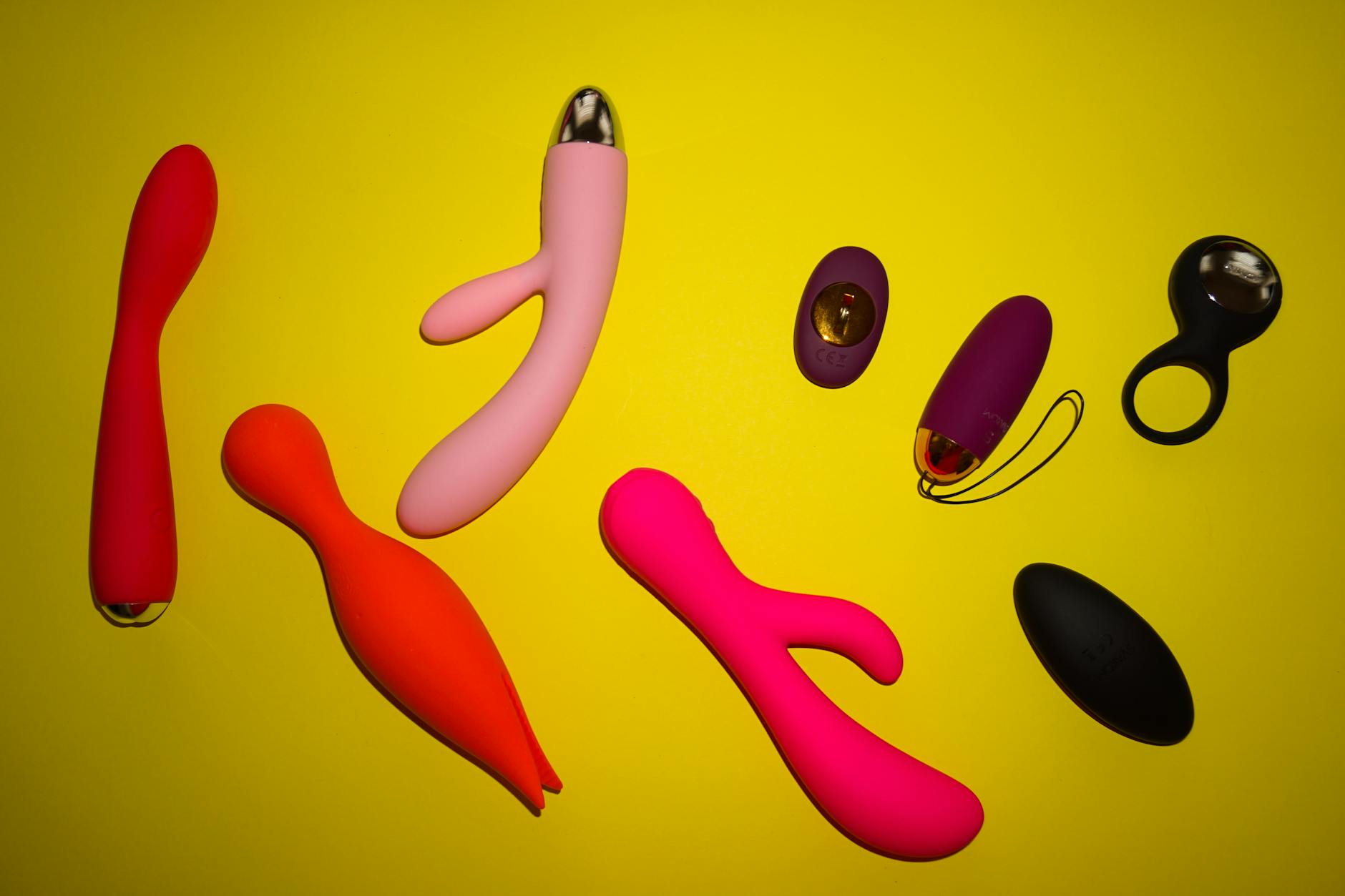
Photo by FounderTips on Pexels
Building a pleasure practice when you're touched out
A few practical things that help:
Schedule it. Sounds unromantic, but touched out people often need permission to prioritize themselves. Block twenty minutes. Close the door. Your body needs to know this is non-negotiable time for you.
Start with the lowest intensity. If your nervous system is already overwhelmed, high intensity can feel like more assault, not pleasure. Build up.
Don't put pressure on the outcome. You don't have to orgasm. Sometimes the goal is just sensation and reset. Sometimes it's release. Both are valid.
Notice what shifts. After a week or two of regular solo pleasure, how does partner touch feel different? Often it feels less necessary, which paradoxically makes you want it more.
FAQ: Touched Out and Solo Pleasure
Can using a lemon vibrator solo make me lose interest in partnered sex?
Not typically. The opposite usually happens. When your nervous system isn't overwhelmed, partner sex becomes less obligatory and more wanted. The key is that solo pleasure is about you reclaiming capacity, not replacing your partner.
Is it normal to prefer solo pleasure when touched out?
Completely. When your nervous system is in fight-or-flight from overstimulation, solo pleasure is less threatening because it doesn't require managing anyone else's presence or needs. It's not a rejection of partnership. It's a necessary reset.
How do I explain to my partner that I need solo time with a toy?
Be direct and non-apologetic: "I've been touched out, and I need some time alone to feel good in my body again. This isn't about you or my attraction to you. It's about me needing space to reset." Most partners appreciate honesty more than silence.
Will touched out eventually go away?
Yes, if you address it. Touched out is your nervous system's way of saying it's overloaded. Once you create space and reclaim solo pleasure, most people find that capacity returns. If it doesn't, that's worth exploring with a therapist.
Can I use a lemon vibrator if I'm touched out from any kind of physical contact?
Actually, yes. Because it's self-directed and you control it completely, it feels fundamentally different from unwanted or obligatory touch. The stimulation is contained and predictable, which many touched out people find soothing rather than overwhelming.
How often should I use solo pleasure to reset touched out?
Start with 2-3 times a week. Most people find that consistent solo pleasure reduces touched out symptoms within two to three weeks. Once you feel less overwhelmed, you can adjust frequency based on what feels right.
The bigger picture
Touched out is not a character flaw. It's not a sign you don't love your partner or that your relationship is failing. It's a sign that your boundaries need rebuilding and your nervous system needs reset.
Solo pleasure with a lemon vibrator becomes part of that reclamation. You're not avoiding intimacy. You're creating the conditions where real intimacy becomes possible again. That's actually the most generous thing you can do for yourself and your relationship.
Your body deserves to feel good on its own terms. Start there.