The mismatch nobody names
Let's be real. You're starting to feel that spark again. Maybe it's been months. Maybe it's been longer. Your desire is genuinely returning, which should feel like good news. Except penetration still hurts, and now you're stuck in a weird liminal space: you want your partner, your mind is engaged, but your body is still holding on to whatever made penetration painful in the first place.
This disconnect is wildly common, and it's the reason a lot of couples fall backward into avoidance. One person feels guilty for wanting something that causes pain. The other feels rejected. Both feel confused. And then desire starts to feel risky again.
Here's what I see in my practice: desire returning doesn't automatically mean the underlying issue is resolved. Sometimes there's residual pelvic floor tension. Sometimes it's scar tissue. Sometimes it's psychosomatic, meaning your nervous system is still protecting you even though the original threat is gone. Most often, it's a combination.
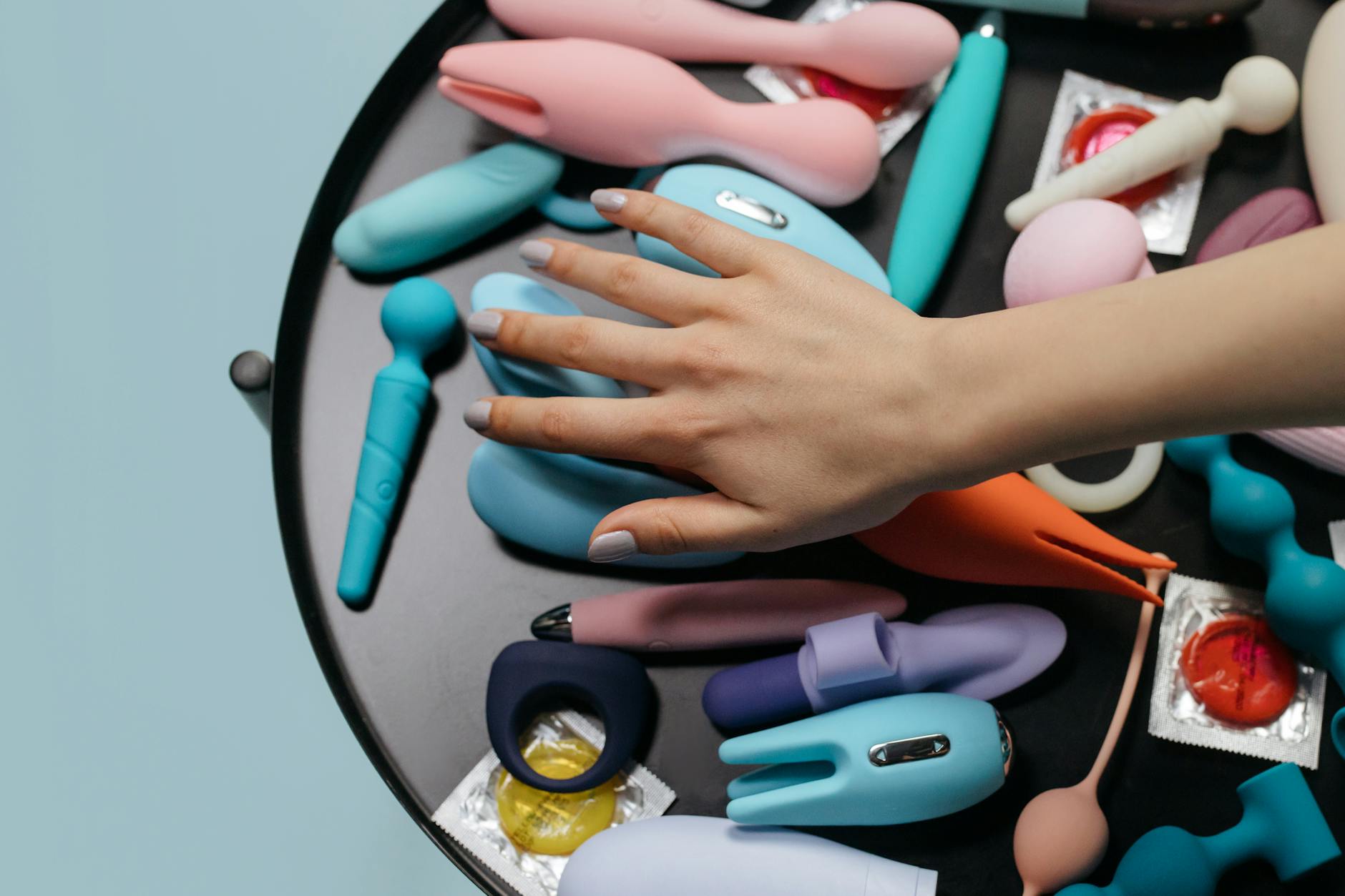 Photo by cottonbro studio on Pexels
The good news is that you don't have to choose between desire and comfort. You can have both. It just requires a temporary shift in how you think about pleasure.
Why clitoral stimulation bridges the gap
When penetration causes pain but you want to stay connected to pleasure and intimacy, clitoral work becomes your primary tool. Here's why it works when other approaches stall.
The clitoris is a separate pleasure system from the vagina. This sounds obvious, but most people spend so much time trying to fix the "penetration problem" that they forget the clitoris doesn't actually require penetration to work. It works better on its own, actually, especially when your nervous system is still cautious.
When you focus on clitoral pleasure without the pressure of penetration, a few things shift. First, you remove the threat that's been keeping your pelvic floor locked. Second, you prove to your body that pleasure can exist without pain. Third, you give your partner a clear role: they can participate in your pleasure without it hinging on their penetration.
Lemon clitoral vibrators are particularly useful in this window because they offer a different sensation than your fingers or a partner's hand alone. The suction and gentle pulsing create stimulation that feels new, which your nervous system often interprets as safer than trying the same approach that hurt before.
What happens when you remove penetration from the equation
There's a psychological release that happens when you take penetration off the table, even temporarily. Your pelvic floor relaxes because it's not bracing for pain. Your nervous system downshifts from "protect" mode to "explore" mode. Your partner stops performing and starts connecting.
In my work with couples, I've noticed that people often feel more pleasure during purely clitoral sessions than they do during sex that "should" include penetration. Why? Because there's no agenda. There's no finish line. There's no moment where you both have to shift into something that might hurt.
Using something like a lemon vibrator for 10 to 15 minutes without any expectation of what comes next changes the relationship to pleasure itself. It stops being "leading up to" and starts being "the whole thing."
This matters for desire too. When your nervous system learns that sexual touch doesn't come with pain as a side effect, desire stays elevated instead of spiking and then crashing as soon as the body remembers what happened last time.
The practical setup that actually works
If you're partnered, here's what I recommend. Start by having a conversation that isn't during sex. Tell your partner exactly what you're trying to do: explore pleasure in a way that feels safe right now, and eventually, this might open up other options. Most partners are relieved to have clear instructions and a shared goal.
When you're actually in the moment, start with external touch only. Hands, lips, whatever feels good. Then introduce the vibrator. A lemon clitoral vibrator usually starts on a lower setting, somewhere around patterns one or two. The suction sensation feels different than vibration, so you might find that a setting that would be too much on a traditional vibrator feels perfect here.
The key is not rushing. Your body is learning that this is safe. That learning takes time. If you're with a partner, they can use their hands on the rest of your body while you're using the vibrator, or they can watch and be present. Both matter. Presence is part of the nervous system reassurance.
For solo exploration, the logic is the same, just quieter. You're teaching your body what pleasure feels like without pain attached. Some people find it helpful to use the vibrator for 5 to 10 minutes just for the sake of sensation, not even aiming for orgasm. Other people use it to reach orgasm. Both are valid pathways.
When to check in with a professional
If penetration causes sharp or burning pain (not just discomfort, but actual sharp pain), see a pelvic floor physical therapist before assuming vibration alone will solve it. Sometimes there's actual tension or restriction that needs hands-on treatment. Sometimes there's scar tissue. Sometimes there's a yeast infection or other treatable cause.
The goal isn't to white-knuckle through it with better tools. The goal is to address what's actually happening. A good pelvic floor PT can usually tell you within one or two sessions whether this is something that will resolve with time and nervous system work, or whether it needs more direct intervention.
If you're in a relationship and this has been going on for a while, couples therapy can help too. Sometimes the pain becomes a symbol of deeper disconnection or resentment. Sometimes penetration pain triggers anxiety in the partner, who then tenses up, which makes everything harder. That's a system issue, not an individual issue, and it needs system-level support.
What changes as you heal
Here's what usually happens in the next few months. You use a lemon vibrator consistently. You have really good solo experiences. Your partner gets comfortable with it too. Your nervous system slowly learns that clitoral touch is safe, and that can happen with or without them present.
Then one day you might notice that penetration feels slightly better. Not perfect, but slightly. Or you might realize you want to try something smaller, like a finger, instead of full penetration. Or you might find that you actually prefer clitoral focus and that's what you want going forward.
None of these outcomes is "wrong." The goal isn't to return to whatever you were doing before. The goal is to expand what's available to you, and to do that from a place of actual comfort instead of pushing through.
Desire and safety aren't in conflict. They're partners. When you align them, you build something more durable than either one alone.
People also ask
Can using a clitoral vibrator make penetration more likely to hurt?
No. Clitoral vibrators like The Lem actually tend to improve outcomes because they help your nervous system recognize pleasure as possible without pain. A relaxed, well-pleasured nervous system is much more likely to be open to penetration later if you want to explore it.
Is it okay to use a vibrator with a partner if penetration hurts?
Completely okay. In fact, it's one of the most straightforward ways to maintain intimacy and pleasure while you're working through pain issues. Your partner can be involved, present, and engaged without requiring their body to do something that causes you pain. That's actually a relationship win.
How long does it usually take before penetration feels better?
This varies a lot. Some people see improvement in weeks. Others take a few months. The timeline depends on what's causing the pain and whether you're also getting professional support like physical therapy. Consistent clitoral pleasure work usually speeds up the timeline because you're regularly giving your nervous system evidence that sex can be good.
Can I use a lemon clitoral vibrator during partnered sex even if penetration doesn't hurt?
Absolutely. Some people use clitoral vibrators as part of sex regardless of whether penetration is involved. They offer a different sensation than manual stimulation, and many people find they can reach orgasm more easily or have a different quality of orgasm with the vibrator involved. There's no requirement to "graduate" away from using one.
What if my partner feels weird about me using a vibrator?
This is worth a separate conversation, but the short version is that a partner feeling weird about a tool that helps you feel good is different from a partner being unsupportive of your pleasure. If there's real resistance, that might point to something deeper about control, insecurity, or misaligned expectations around sex that deserves its own attention. How to Use Lemon Vibrators When Your Partner Is Uncomfortable With Sex Toys has more detail on navigating this.
Do I need to tell my gynecologist I'm using a vibrator?
Not necessarily, but if you're treating pain during sex, it's worth mentioning to your doctor that you're exploring clitoral stimulation while penetration heals. It gives them fuller context for what's happening with your body. They can also rule out infections or other medical causes that might be complicating recovery.
Next steps
Desire coming back is real progress. So is your body telling you it needs a different approach to pleasure right now. These two things aren't in opposition. You're not broken, and you're not behind. You're exactly where you need to be to explore what comes next.
If you're navigating this alone or with a partner and want more support, reach out. Sometimes having an outside perspective helps clarify what's happening and what might help.