
Let's start with the obvious question you've been googling at 2 a.m.
You started the pill. Or the patch. Or the ring. And somewhere in the first month or two, you noticed your clitoris stopped talking to you the way it used to. Not gone. Just muted. Like someone turned down the volume on a song you loved.
You're not broken. Your birth control isn't faulty. This is actually incredibly common, and it has a name: hormonal desensitization. And there's a straightforward reason it happens.
Why hormonal birth control affects clitoral sensation
Hormonal contraceptives work by suppressing the hormonal surges that trigger ovulation. The problem is that testosterone (yes, people with vulvas produce testosterone, and it's crucial for sensation and desire) gets suppressed too. Estrogen and progesterone also shift in ways that can affect blood flow to the clitoris and tissue sensitivity overall.
Think of it this way: your clitoris has thousands of nerve endings, but those nerves respond better when testosterone is circulating at normal levels. When you start hormonal birth control, testosterone drops. Those nerve endings don't disappear, but they become less excitable. Stimulation that used to feel like a spark now feels like a whisper.
Additionally, hormonal birth control can slightly reduce blood flow to genital tissue. Blood flow equals sensation equals arousal. Less blood flow means the clitoris stays a bit calmer, even when you're trying to turn it on.
This doesn't mean you chose wrong
If hormonal birth control is the right choice for you, your health and peace of mind matter more than anything else. Plenty of people take it gladly. But the cost of that choice shouldn't be your pleasure.
Here's what helps: lemon clitoral vibrators work differently than traditional vibrators, which is why they're genuinely useful when sensitivity has shifted.
How air suction (the lemon approach) bypasses desensitization
Traditional vibrators move back and forth really fast. They rely on the clitoris being sensitive enough to register that vibration as pleasure. When hormonal birth control has muted sensation, you need a different stimulus.
Lemon vibrators use air suction. Instead of vibration, they create a gentle vacuum that draws blood into the clitoral tissue. This does two things at once:
- It stimulates through suction rather than vibration, which activates different nerve pathways. If vibration feels numb, suction often feels present.
- It increases local blood flow, which temporarily restores some of that lost sensitivity.
Many people report that suction feels more intense and more noticeable than vibration, especially when clitoral sensation is dampened. You're not forcing your numb nerve endings to work harder. You're using a completely different kind of stimulation that your body can actually feel.
The practical rhythm that works
Start with the lowest suction setting. Not because you're fragile, but because your desensitized clitoris will actually respond better to a gradual build. Spend 10-15 minutes on the gentlest setting before moving up.
You might notice something surprising: even though sensation feels muted during foreplay, the suction starts waking things up. That's the increased blood flow doing its job. By the time you reach medium intensity, you might feel more present than you have in weeks.
Don't rush to intensity. The goal isn't to brute-force your way to an orgasm. It's to remind your body what sensation feels like.
The conversation with your partner (if you have one)
If you're using hormonal birth control for pregnancy prevention in a partnered relationship, your partner should understand what's happened. This isn't about them. It's not about attraction or desire for them. It's purely chemistry.
Some partners get defensive ("Are you saying sex with me isn't good enough?"). It's not. Make that clear. Then explain: "I need to use a tool that works with my body right now. That's not a reflection on you. It's a reflection on my medication."
Lots of partners actually appreciate this. It means you're taking your pleasure seriously. It means you're not pretending to feel something you don't. It means you're solving a problem together instead of silently resenting each other.
What if it doesn't get better
If you've been on hormonal birth control for 3-6 months and clitoral sensation still hasn't returned, talk to your doctor. Sometimes switching to a different formulation helps. Some pills have lower hormone doses or different progestin types that affect sexual response differently.
Also consider: did your libido drop at the same time? That's a separate issue that sometimes needs separate intervention. You might benefit from testosterone replacement therapy, which is increasingly prescribed alongside hormonal birth control for people experiencing significant desire loss.
If you switched to the pill specifically to manage acne, mood, or cycle symptoms, your doctor might have other options that don't suppress testosterone as aggressively. Your sexual health is health. Don't let anyone tell you it's a bonus feature.
The bridge while you figure it out
Lemon clitoral vibrators aren't a permanent solution to hormonal desensitization. They're a bridge. They help you maintain pleasure and connection to your body while you're on a medication that temporarily mutes sensation.
The good news: for most people, sensation stabilizes after the first 3-6 months of hormonal birth control. Your body adjusts. You might never feel exactly the same as you did before, but you'll find a new normal. And in that waiting period, having a tool that actually works is the difference between staying connected to pleasure and disconnecting entirely.
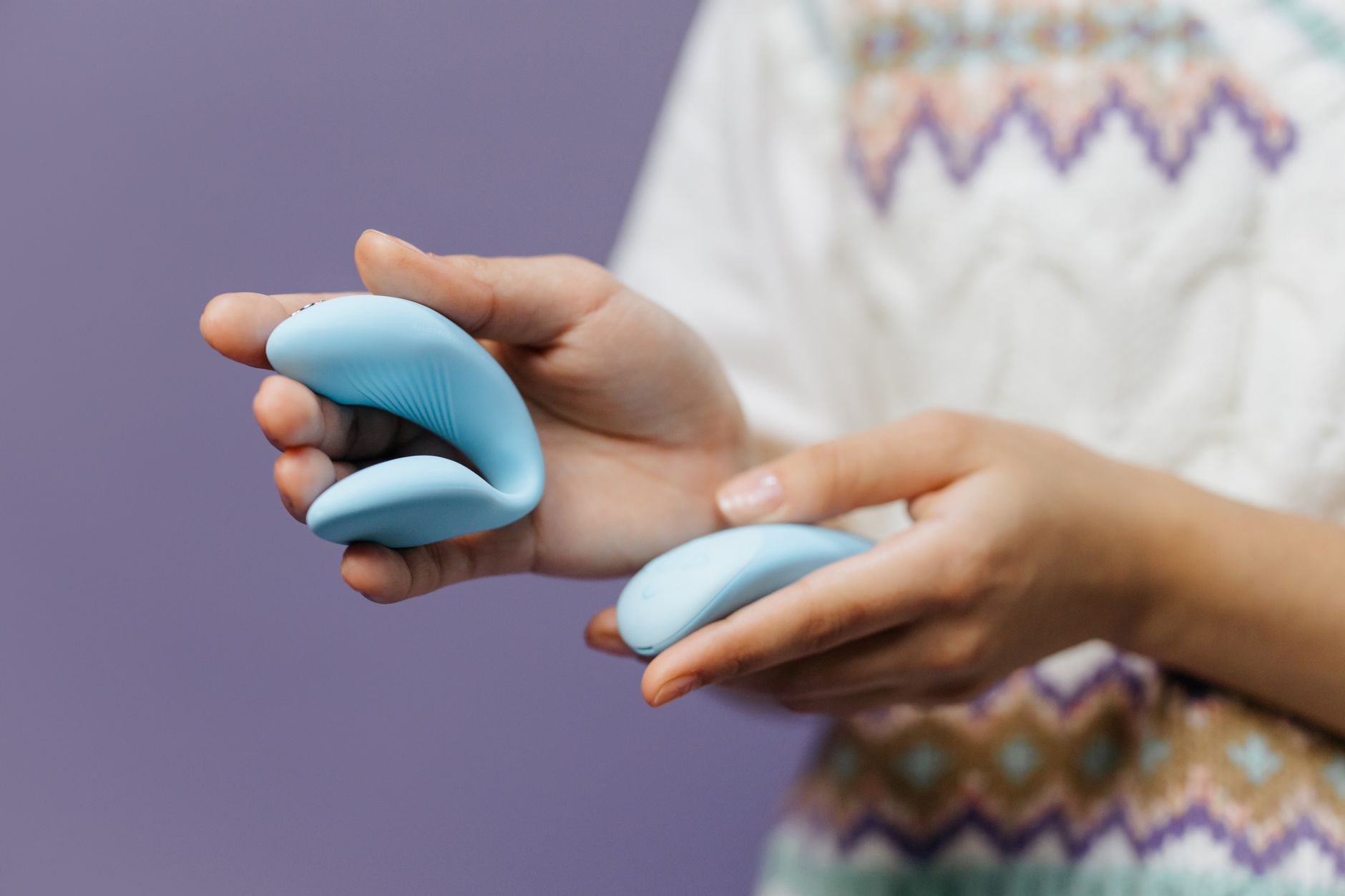
Photo by cottonbro studio on Pexels
Should you stop your birth control
No. Don't do that just for sensation. Unwanted pregnancy is a massive disruption to your life, your health, and your relationships. Temporarily muted clitoral sensation is annoying, not catastrophic.
But also don't silently suffer. If your birth control is affecting your sexual response, that's worth addressing. Whether that means switching formulations, adding other interventions, or using a lemon vibrator to bridge the gap, you have options.
Your pleasure matters. Your health matters. Both things can be true at the same time.
People also ask
How long does clitoral numbness last after starting birth control?
For most people, hypersensitivity or numbness peaks in the first 1-3 months and then gradually improves. By month 6, many people report that sensation has mostly returned. However, some people experience persistent changes for as long as they're on hormonal birth control. If sensation hasn't improved after 6 months, talk to your doctor about different formulations.
Can you use a lemon vibrator if you're on the pill?
Absolutely. Lemon clitoral vibrators work the same way regardless of what medication you're on. In fact, air suction is often more effective than traditional vibration when hormonal contraceptives have affected sensation. There are no contraindications between hormonal birth control and suction toys.
Does switching birth control formulations help restore sensation faster?
Sometimes. Different pills have different hormone doses and types of progestin. Some formulations suppress testosterone more aggressively than others. If clitoral numbness is severe, your doctor might try you on a lower-dose pill or a progestin-only option. This isn't guaranteed to solve it, but it's worth asking about after you've been on your current method for 2-3 months.
Is lemon suction or traditional vibration better for desensitized clitoris?
For most people experiencing hormonal desensitization, lemon air suction is more effective. Suction stimulates through a different mechanism (increased blood flow plus gentle vacuum) rather than vibration alone. This often feels more noticeable when sensation has been dampened. That said, everyone is different. Some people find that combining both approaches works best.
Should you tell your partner about clitoral numbness from birth control?
If you have a partner and want to maintain sexual connection, yes. You don't need to make it a big conversation. Something like, "My birth control is affecting sensation a bit right now, so I'm using a tool that helps. It's not about you." Most partners appreciate the honesty. It prevents miscommunication and resentment.
Will sensation ever return if you stay on hormonal birth control?
For most people, yes. Sensation typically improves after the first few months as your body adjusts to the hormone levels. However, some people experience persistent changes while on hormonal contraceptives. This doesn't mean you should stop taking it if it's working for pregnancy prevention or managing other symptoms. Instead, focus on tools and techniques that work with your body's current chemistry.
The bottom line
Hormonal birth control is one of the most reliable ways to prevent pregnancy and manage cycle-related symptoms. The fact that it can dull clitoral sensation is a real trade-off, not a character flaw or a sign that something is wrong with you.
Lemon vibrators address this specifically because they don't rely on vibration to create sensation. They use air suction to stimulate and increase local blood flow. For people experiencing clitoral numbness from hormonal contraceptives, this often feels noticeably better than traditional vibration.
If sensation hasn't returned after 6 months, talk to your doctor about different formulations. If you want to maintain pleasure right now, use a tool that actually works for your current body. Your medication doesn't get to decide whether your pleasure matters. You do.
Have questions about how all this works or what might help your specific situation? Reach out. We're here to help.