
Here's what nobody tells you about weak or delayed clitoral orgasm
Your orgasm isn't getting worse. Your brain isn't broken. You probably haven't lost the ability to come. What's actually happening is that the stimulation method you've been relying on has stopped working the way it used to, and you're fighting against your own nervous system instead of with it.
Most people assume that if an orgasm takes longer or feels less intense, something has changed permanently about their body. That's technically true. But here's the part that matters: the right tool can make that change completely irrelevant.
Why clitoral stimulation sometimes stops delivering
Let's talk about what's actually going on physiologically when your orgasm starts to feel like you're waiting for a bus that never arrives.
Your clitoris has about 8,000 nerve endings. All of them need a specific kind of stimulation to fire properly. Traditional vibrators—the kind that work back and forth or in circles—require consistent, sustained pressure. They work by fatiguing the nerve endings into submission.
The problem is that as you age, or after certain life events, or just because your body changes, that fatigue threshold shifts. You need either more pressure (which can start to feel uncomfortable on sensitive tissue) or a completely different mechanism altogether.
Then there's the mental load. Your brain is waiting for the sensation to build the way it used to. When it doesn't, you start anticipating failure. That anticipation literally shuts down the neural pathways that create orgasm. It's not weakness. It's neurology working against you.
The suction difference: why a clitoral vibrator built on suction actually helps
Suction doesn't fatigue. It stimulates. That's the core difference.
When you use a lemon clitoral vibrator—a device designed around suction technology—you're creating a seal against the tissue and gently pulling the clitoris into a space where nerve endings activate differently. You're not fighting friction or pressure. You're creating a gentle, rhythmic pulling sensation that mimics the stimulation pattern your body actually wants at this point in your life.
The result: orgasms build faster because there's less resistance. They feel more intense because the stimulation pattern is hitting a broader range of nerve endings, not just grinding the same spot. And recovery happens quicker—no tissue fatigue means your body is ready to go again sooner.
This isn't marketing speak. This is applied neurology.
The specific ways delayed orgasm improves
Three concrete shifts people report once they switch to suction-based lemon adult toys.
Faster arousal phase. Traditional vibration requires your clitoris to reach a specific "activation threshold" through repeated stimulation. Suction bypasses that. The moment the seal is created, nerves activate. What used to take 20 minutes can happen in 8 to 10.
Better plateau control. That floating sensation right before orgasm, where you feel close but can't seem to push over? Suction holds you there longer, which sounds counterintuitive but actually lets your brain catch up. You're less likely to lose the moment by overthinking.
Stronger sensations. Suction stimulates the entire clitoral structure, not just the external glans. You get deeper, fuller orgasms because more nerve endings are engaged. Women often describe it as feeling more complete.
What kills intensity (and what actually helps)
I work with couples a lot, and this is the pattern I see: delayed or weak orgasms often coincide with pressure. Pressure to come on schedule, pressure to match your partner's timeline, pressure to feel the way you used to feel.
The irony is that using the wrong tool makes the pressure worse. You're now fighting your body and the tool. Exhausting.
A few things that actually help shift this:
Longer warm-up time. Not because you're broken, but because arousal builds differently now. Give your body 15 to 20 minutes before you even introduce a toy. Let your mind settle first.
Removing the orgasm as the goal. I know this sounds like therapy speak. But it works. If your goal is "reach orgasm," your nervous system gets hyper-focused on outcome. If your goal is "feel good for 20 minutes," your body relaxes. Orgasm often happens as a side effect.
Switching to a tool that works with you, not against you. This is where lemon suction toys change the game. They require less effort, less pressure, and less time. Which means less chance for your brain to interfere.
The partner conversation that matters
If you have a partner, this is a good moment to talk about what "sex" actually means to you both right now. Often, delayed orgasm creates a weird dynamic where penetration or partner touch stops mattering because the orgasm feels like a distant goal. Partners can start feeling like they're "doing it wrong."
Really, the tool matters more than the touch. Once you find a lemon clitoral vibrator that works, pleasure becomes collaborative again instead of you chasing something your partner can't help with.
That shift is huge for intimacy.
When to think about other factors
Sometimes delayed orgasm points to something else: medication side effects (SSRIs are notorious for this), hormonal shifts, blood pressure issues, or even just chronic stress eating your nervous system alive.
If you've tried a good suction-based tool and things still feel stuck, talk to your doctor. These conversations matter. But start with the tool first. Often it's the only adjustment you need.
The reset moment
Weak or delayed orgasm feels like failure. It's not. It's information. Your body telling you that the thing you've been doing needs to evolve. Once you find the right lemon sexual toy—something designed for how you actually work now, not how you worked five years ago—that delay usually disappears. The intensity returns. Not because you fixed something broken, but because you finally aligned your tool with your body's actual needs.
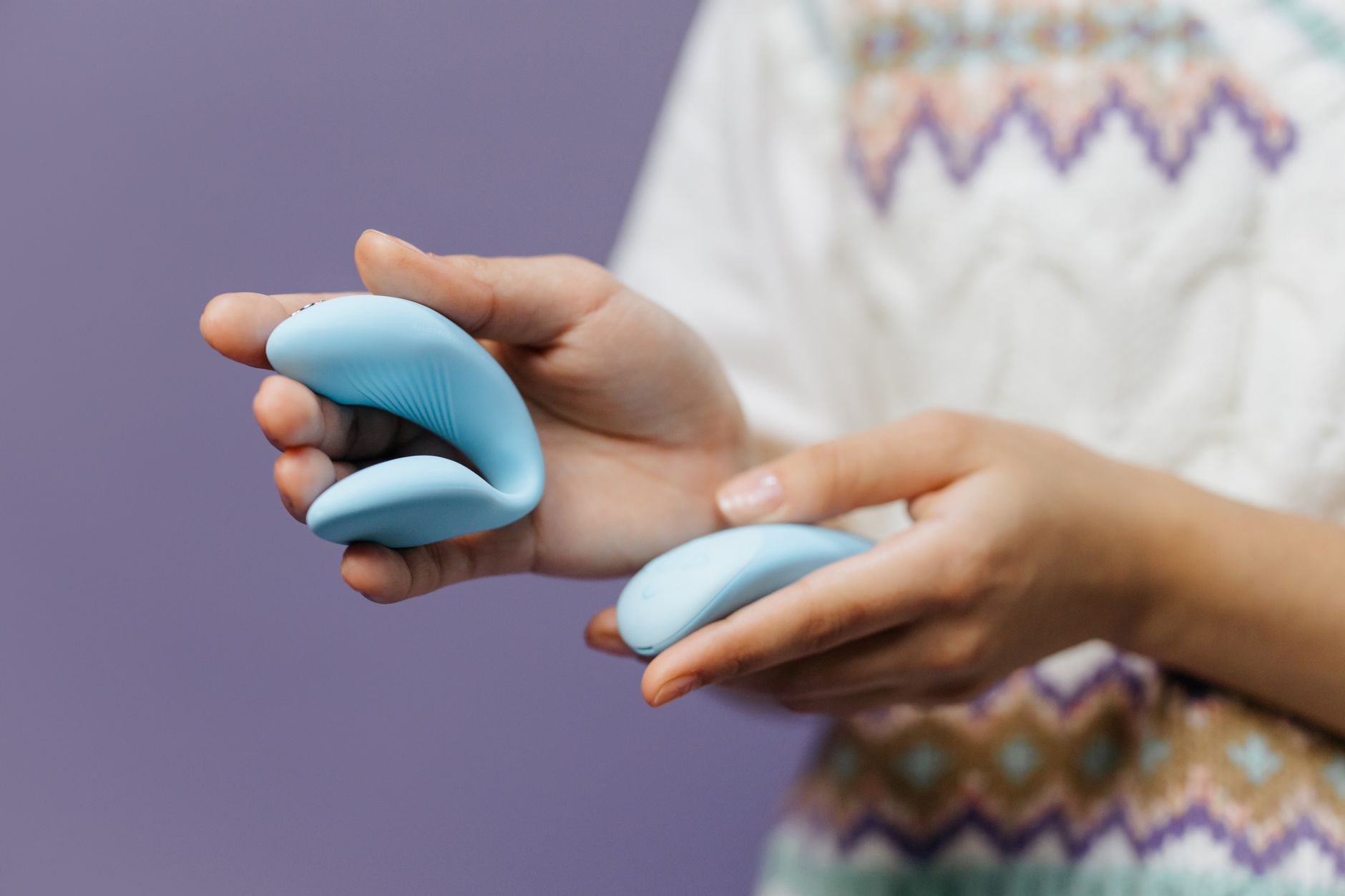
Photo by cottonbro studio on Pexels
People also ask
Can weak orgasms be caused by using vibrators too much?
Yes and no. Your clitoris doesn't get permanently desensitized, but repetitive stimulation with the wrong tool can create a pattern where your nervous system stops responding to that specific sensation. It's like listening to the same song on loop—your brain stops processing it. Suction works differently. It stimulates rather than fatigues, which is why switching methods often resets sensitivity completely.
How long does it take for orgasm intensity to return after switching to a lemon vibrator?
Most people notice a difference in the first few sessions. Orgasms feel stronger or arrive faster. Full reset—where you feel like you're back to your baseline—usually happens within 2 to 3 weeks of consistent use. Your nervous system adapts quickly to a stimulus pattern that actually works.
Is delayed orgasm a sign something is wrong with my clitoris?
Not usually. Your clitoris is fine. What's changing is the relationship between the stimulation you're applying and what your nervous system needs. It's like trying to hear someone whispering across a loud room. Nothing is wrong with their voice. The environment just doesn't work. Change the tool or the approach, and clarity returns.
Can my partner help me come faster if orgasms feel delayed?
Partner touch is valuable for arousal and intimacy, but if your orgasm pattern has shifted, manual or penetrative stimulation often isn't precise or intense enough anymore. This is why many people find that solo play with a lemon clitoral vibrator gets them there, while partner touch doesn't. It's not rejection. It's efficiency. Combining both is ideal: partner intimacy for the arousal phase, a lemon suction toy for the orgasm itself.
Why do orgasms feel less intense even when they eventually happen?
Intensity drops when stimulation isn't hitting the full range of clitoral nerve endings. Most vibrators focus pressure on one spot. Suction-based lemon adult toys engage the whole structure, which is why sensations feel more dimensional and complete. It's not that your body lost capacity. It's that you're finally accessing the full spectrum of sensation.
Should I be concerned if I've never had a weak orgasm and then suddenly do?
A sudden shift can point to stress, medication changes, hormonal shifts, or relationship dynamics. But it can also just mean your body's preferences have naturally evolved. Start with a tool that works for your current body, like a lemon vibrator designed for efficiency rather than intensity. If the shift persists despite that, checking in with a doctor or therapist is worth it.
What matters most
Orgasm is information, not a finish line. When it shifts, something is asking for attention. Usually, that something is method, not capacity. A lemon suction toy isn't magic. But it is efficient. It works with how your nervous system actually functions now, which means less frustration, faster results, and orgasms that actually feel good again. That's not a small thing. That's everything.
If you want to explore what might work for your body, check out our buying guide or reach out to the team at /contact. We can point you toward what actually matches how you work now.
Your pleasure matters. The tool should too.