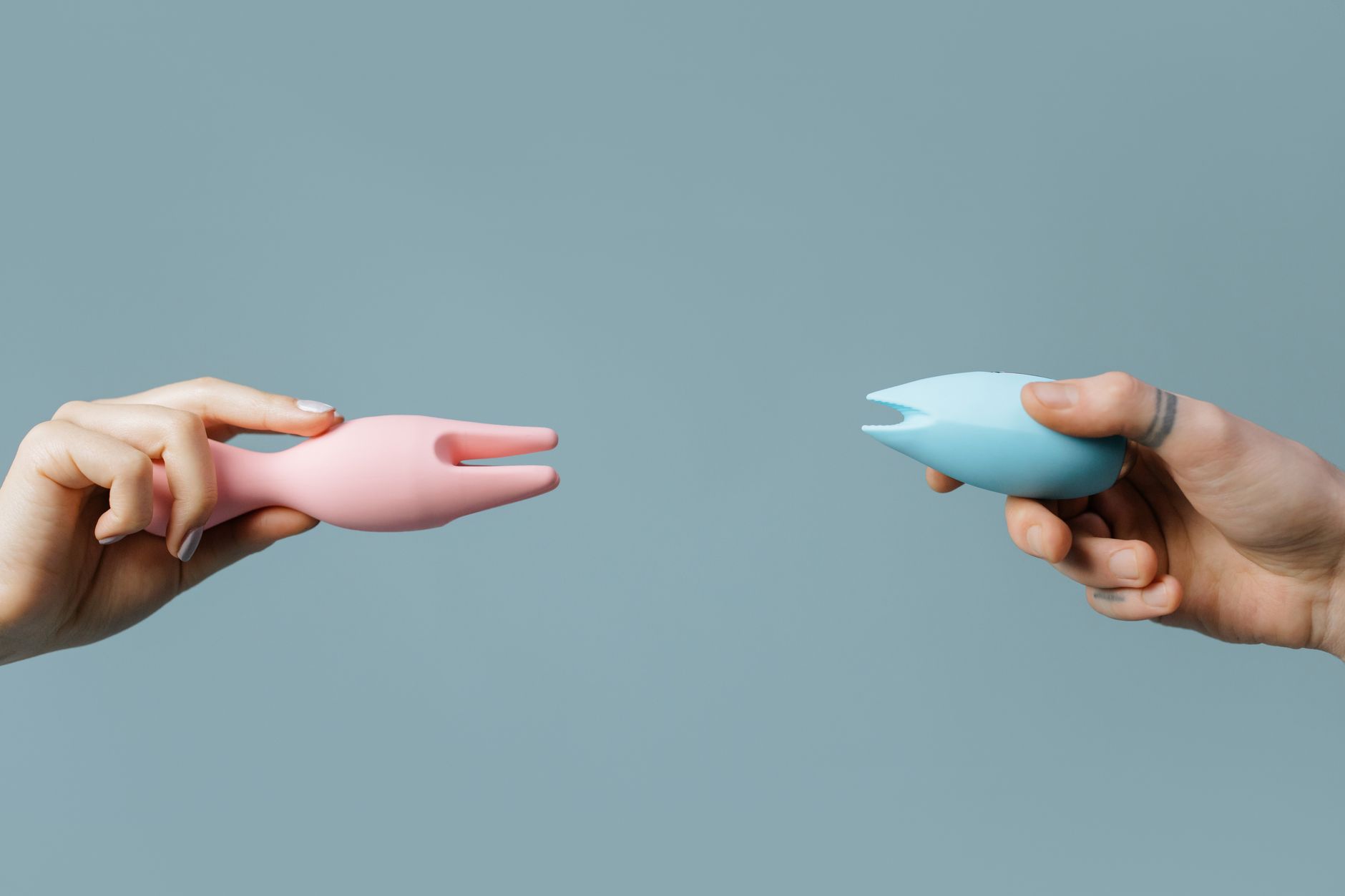
How Lemon Clitoral Vibrators Help When You Struggle With Touch Aversion
Let's be real: touch aversion makes pleasure feel impossible. When your body rejects contact, even the idea of touching yourself feels overwhelming. Partner touch? Forget it. The guilt that follows compounds everything.
Here's what most people don't know: touch aversion doesn't mean your capacity for pleasure is broken. It means your nervous system is protecting you from something. Understanding that distinction changes everything.
What touch aversion actually is
Touch aversion isn't one thing. It's a cluster of responses where contact feels intolerable, triggering anxiety, disgust, or shutdown. It shows up after trauma. It arrives with dissociation, depression, or chronic stress. Sometimes it follows medication changes. Sometimes it emerges from years of boundary violations so small you didn't name them at the time.
What matters clinically is this: the aversion is real, and it's not a character flaw. Your nervous system learned that touch meant danger, loss of control, or overwhelm. Now it's protecting you by shutting that channel down.
The problem is that pleasure and touch feel inseparable. They're not.
Why direct hand touch often fails
When you use your hands, several things happen neurologically. You're introducing human temperature, texture variation, unpredictability, and pressure that changes moment to moment. All of that sensory input can trigger the same nervous system alarm that created the aversion in the first place.
Direct finger contact also requires you to think about someone else's touch (even your own) in a way that keeps your thinking brain engaged. You're monitoring, evaluating, resisting. That's not a state where pleasure can emerge.
A toy changes the equation. It's consistent. It's not human touch. It doesn't require you to manage another person's experience or your own guilt about their effort.
Why suction toys work for touch aversion
This is the part that feels counterintuitive at first. Suction toys like the Lemon work better for touch-averse bodies because they don't rely on the same sensory channels.
Here's why: suction stimulates deeper nerve clusters without requiring the kind of skin-to-surface contact that triggers the aversion response. You're feeling pressure and rhythm, not touch texture. That's neurologically distinct.
Second, the experience is predictable. No surprises. No variation in pressure unless you change the setting. Your nervous system can relax into a rhythm it controls.
Third, there's distance built in. You're not holding something against yourself with your hand, managing pressure, changing angle. The device sits on your skin and does the work. You're receiving sensation rather than managing it.
Many clients with touch aversion report that their first successful arousal in months or years came using a lemon clitoral vibrator, not a partner's hands or even a traditional vibrator.
The nervous system trust piece
Touch aversion often lives with control loss. Something happened that took choice away. So rebuilding sensation requires rebuilding the nervous system's belief that you're in control.
Using a toy you control the settings on is fundamentally different from receiving hand touch. You choose when to start. You choose the intensity. You can stop immediately if anything feels wrong. That autonomy matters neurologically.
Start with your toy completely unpowered in your hand. Just hold it. Notice what sensations come up. If nothing bad happens, that's data your nervous system registers.
Then turn it on at the lowest setting. Hold it near your thigh or arm first, nowhere sensitive. Notice that you control this, it's predictable, and you can turn it off. Again, your body is learning.
Only when that feels manageable should you move toward using it on your clitoris. This isn't rushing. This is building trust.
Creating conditions where pleasure can emerge
Three things matter beyond the toy itself.
First, privacy and time. Touch aversion often gets worse when you feel rushed or observed, even internally (the voice saying you should be further along). Give yourself at least 30 minutes with zero external pressure. No phone. No sense that someone's waiting.
Second, body positioning that feels safe. Many people with touch aversion find pleasure easier in positions where they have full visual and physical control. Sitting, reclining with your back supported, legs uncrossed. Not lying down vulnerable. Experiment and trust what feels protective.
Third, something to engage your mind. Touch aversion often co-occurs with intrusive thoughts or dissociation. Having a fantasy to focus on, music playing, even a sensory focus (concentrating on temperature, rhythm) can help your thinking brain stay anchored rather than spiraling into fear.
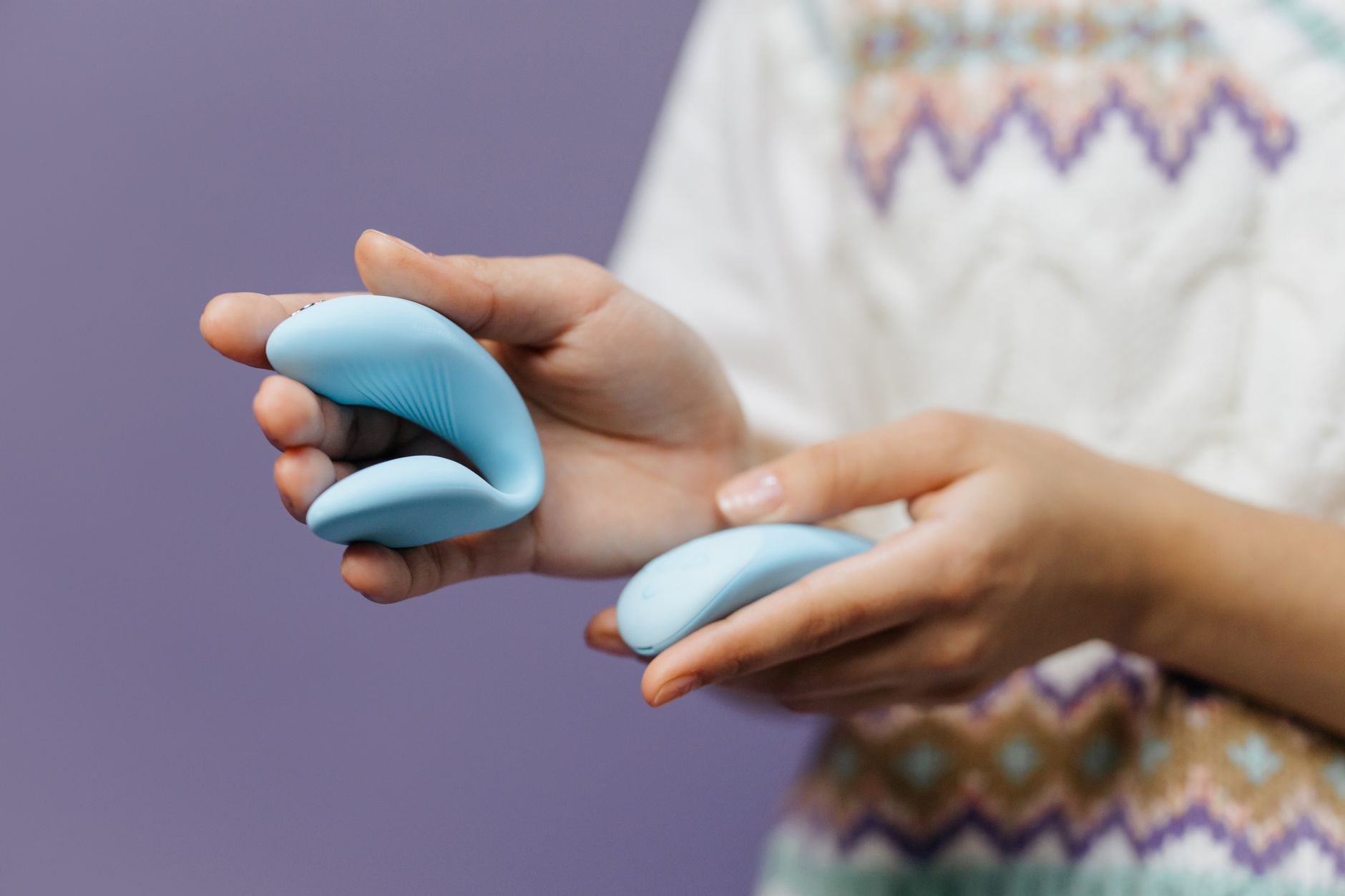
Photo by cottonbro studio on Pexels
The "I'm not supposed to enjoy this" trap
Honestly though, the biggest barrier isn't the toy. It's the story layer.
Touch aversion often comes with shame. You've been told you're broken, that normal people don't have this problem, that a good partner should be able to fix it through closeness. None of that is true, and all of it makes rebuilding harder.
When you're using a lemon clitoral vibrator alone, there's no one to perform for, no one to worry about, no external validation required. If pleasure arrives, it's real. If it doesn't, you're not failing anyone.
That shift from "I should be able to feel pleasure" to "I'm exploring what my body can experience right now" changes the nervous system state entirely.
When to get additional support
If touch aversion arrived after trauma, working with a trauma-informed therapist changes the timeline significantly. You're not just retraining your body. You're also helping your nervous system process whatever created the need for protection in the first place.
If touch aversion co-occurs with dissociation where you feel entirely disconnected from your body, a somatic therapist or specialist in embodiment work can help you build the foundation before exploring pleasure.
A good therapist won't tell you that solo pleasure with a toy is the solution. They'll help you understand what created the aversion, build tools for regulating your nervous system, and then you'll find that pleasure becomes possible more naturally.
Toys are part of rebuilding. They're not the whole story.
Why this matters beyond the orgasm
Rebuilding the ability to experience pleasure when you have touch aversion isn't just about sensation. It's about reclaiming your body as yours. It's about proving to your nervous system that touch doesn't have to mean danger, loss of control, or harm.
That reclamation is slow. Some days the aversion will spike and you'll feel like you're starting from zero. That's normal. Your nervous system is healing, not erasing.
But slowly, over weeks and months, the pathway to pleasure gets less scary. That matters whether you're rebuilding alone or eventually rebuilding connection with a partner. You deserve pleasure. Your body isn't broken for wanting protection.
Using a tool like the Lemon gives your nervous system a way to experience that pleasure without the particular vulnerabilities that triggered the aversion in the first place. That's not sidestepping healing. That's creating conditions where healing can actually happen.
People also ask
Can you use a lemon clitoral vibrator if you have severe touch aversion?
Yes, but with preparation. Start with the toy off, just holding it. Your body needs to learn that this object isn't a threat before introducing sensation. Many people with severe touch aversion find that they can use a suction toy when hand touch feels impossible, because the pressure is steady and controllable rather than variable and unpredictable. Move slowly and always have the ability to stop immediately.
Does touch aversion go away over time?
Touch aversion can improve, especially with trauma-informed therapy that helps your nervous system understand you're safe. But improvement isn't linear. You might have weeks where your body feels more open, then weeks where the aversion spikes again. That's not a step backward. It's the healing process. Using tools like lemon vibrators during the difficult weeks keeps you connected to pleasure even when touch aversion is stronger.
What's the difference between touch aversion and low libido?
They're different problems. Low libido means you don't feel desire. Touch aversion means you feel desire but your body rejects the path to it. You might want pleasure but find the idea of physical contact unbearable. If you're not sure which applies to you, a therapist can help you distinguish between them, because the approach to rebuilding is different for each.
Is it okay to use a toy when you have touch aversion if you have a partner?
Completely okay. Using a toy alone is part of rebuilding your own sense of pleasure and safety in your body. It's not a replacement for partnered intimacy. It's actually often a necessary step before you can open up to partner touch. If your partner feels threatened by solo pleasure, that's a separate conversation worth having with a couples therapist.
How long does it take to feel pleasure again after touch aversion?
There's no timeline. For some people, pleasure returns within weeks of starting to use a lemon clitoral vibrator. For others it takes months, and that's completely normal. Touch aversion is your nervous system's way of protecting you. Rebuilding trust takes time. The fact that you're trying matters more than the speed.
Should I tell my therapist I'm using a toy to rebuild pleasure with touch aversion?
Yes. A good therapist will see this as a helpful tool, not something to judge. If your therapist reacts negatively, that's a sign you might need a therapist with more sexual health literacy. Your pleasure matters, and rebuilding it is part of your healing.
Moving forward
Touch aversion is real, it's protective, and it doesn't mean your capacity for pleasure is gone. It means your nervous system learned to protect you, and now you get to teach it that touch can be safe again. A lemon clitoral vibrator gives you a path to that teaching that doesn't require managing another person, performing for an audience, or handling the particular vulnerabilities that triggered the aversion.
Start slow. Trust your body. If you want support beyond solo exploration, talk to someone trained in this work. You deserve pleasure. Your body isn't broken for asking for help finding it.